Our Therapy Specialties
Here at The Voz Institute, our speech therapists and occupational therapists have a wide area of clinical focus. However, below you’ll find some of the areas of occupational and speech therapy we specialize in.
Autism isn’t a speech or language disorder, and it’s not a physical disability. However, many autistic children benefit from the support of a multidisciplinary therapy team. Autistic children are more likely to experience differences or delays in areas such as communication, social interaction, sensory processing, and motor skill development. With the right support from speech, occupational, physical, and feeding therapists, your child can thrive.
If you notice your child isn’t progressing as expected or is missing key developmental milestones, early evaluation is essential. Early intervention through speech, occupational, physical, and feeding therapy can significantly improve long-term outcomes by supporting critical brain and skill development during the early years. Whether your child needs help with communication, motor skills, feeding, or daily routines, early support makes a big difference. The Voz Institute is here to help guide that journey.
Communication is about giving and receiving. If you have an expressive disorder, it means you have difficulty with expressing ideas – through speech, writing, etc. And if you have a receptive disorder, you have difficulty with understanding others’ expression – through listening, reading, etc. These include aphasia, language delays, and social pragmatic language disorders. We can help.
A voice disorder is a unique category of speech disorder. It specifically refers to disorders that affect the quality of your voice. If you or a loved one has difficulty controlling the pitch, loudness, resonance, or speed of your voice, it may be a voice disorder. Voice disorders have many different possible causes, but speech therapy from The Voz Institute can help.
If you or your child have difficulty creating certain sounds, it may be a result of a speech sound disorder. These are disorders that affect your ability to make the sounds necessary for speech. They can affect both children and adults of any age. Some of the more common ones include dysarthria, selective mutism, childhood apraxia of speech, and acquired apraxia of speech. The Voz Institute can help.
Eating is an important part of life for many different reasons. But when your child has difficulty eating, it can have widespread consequences. Have you noticed your baby has difficulty breastfeeding, or is struggling to make certain sounds? Or, does your toddler display extreme pickiness while eating? If so, feeding therapy from an occupational therapist at The Voz Institute can help.
About The Voz Institute
If you’ve dealt with speech or language challenges, sensory difficulties, motor delays, or feeding and sleep issues related to conditions like tongue tie, you know how frustrating it can be.
Maybe you were diagnosed at a young age, and ongoing therapy has helped you manage your symptoms over time.
Maybe you’ve only recently started connecting the dots, and it’s been a lightbulb moment in understanding your experiences.
Or maybe it’s not you at all, but your child. You’ve noticed they aren’t progressing the way you expected, and you’re starting to have concerns.
Either way, at The Voz Institute, our team is here to help.
Founded in 2018, The Voz Institute is a full-service multidisciplinary clinic offering bilingual speech and myofunctional therapy for all ages, along with pediatric occupational, physical, and feeding therapy. Parent support and translation during therapeutic debriefs are available as needed.
Our team of licensed therapists collaborates closely with parents, caregivers, and educators to create individualized, play-based, and whole-child treatment plans that foster growth, confidence, and independence.
If you or your child are experiencing speech, language, swallowing, myofunctional, feeding, sensory, or motor challenges, we’re here to help.
Our Therapy Services
At The Voz Institute, we offer speech-language, feeding, myofunctional, occupational, and physical therapy services for adults and children of all ages. Find out more about the therapy services we offer, below.
Is your child struggling to learn to read and write? Do they seem reluctant to talk or communicate? Do they have trouble creating certain sounds with their speech? If so, speech therapy for children can help. Through working with a pediatric speech therapist, your child will learn to manage their speech or language disorder, giving them the best chance at developing a strong, confident voice. In-home speech-language therapy now available in Washington, DC.
When it comes to speech therapy for adults, it usually falls into two categories. Either you have a speech disorder you were born with but were never treated for, or you or a loved one has experienced an event that alters their ability to communicate. Whatever it is that’s causing your concerns, however, speech therapy for adults can help you overcome your disorder and communicate clearly once more.
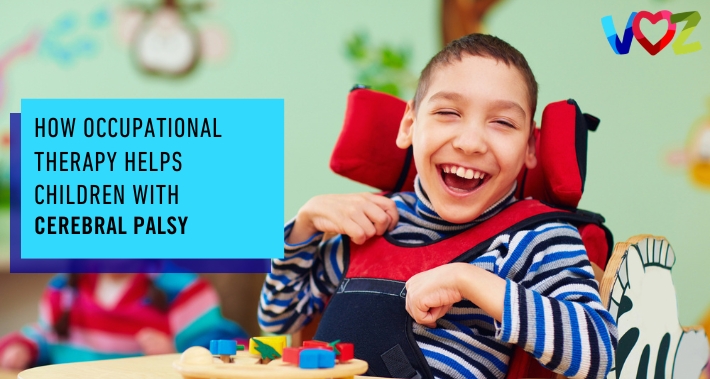
If your child is struggling with motor skills, sensory processing, or daily tasks like dressing and feeding, it can be overwhelming. At The Voz Institute, we’re here to help. Our pediatric occupational therapy services are designed to support your child’s unique developmental needs. We’ll also guide you as a parent or caregiver so you can confidently support your child’s progress at home.
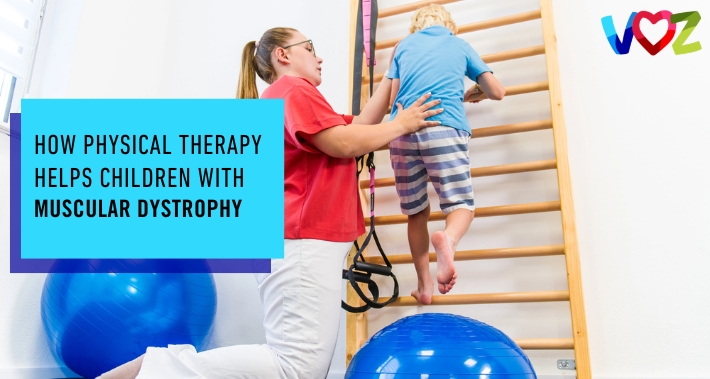
Is your child struggling with gross motor delay of crawling, standing, cruising, walking, or more? Do they have difficulty with toe walking or are overly clumsy? Has your child recently broken a bone that requires physical therapy intervention? Our pediatric physical therapy services are designed to support your child’s gross motor development
Myofunctional Therapy
Are you or your child struggling with a reverse swallow and/or a tongue tie that causes functional impact? Have you had orthodontia difficulties throughout your life? Has anyone ever commented that they see your tongue protruding out of your mouth while you are eating, talking, or sitting at rest? Has your dentist recommended myofunctional therapy before a tongue tie release? Through working with a speech therapist trained in myofunctional therapy, we are able to guide you through a myofunctional therapeutic program designed to correct a reverse swallow or prep for a tongue tie release
Is your child struggling with accepting new or diverse foods? Do they prefer certain textures over others? Does your child need support during mealtime? Has your pediatrician mentioned that your child’s current foods are not adequately providing nutrients to their growing body? At the Voz Institute, our feeding therapy program will equip you and your child to achieve new feeding goals and approach every meal time with confidence.
Reviews From Our Happy Patients
Here at The Voz Institute, our goal is to be the best multidisciplinary therapy clinic in Washington DC.
But don’t just take our word for it – see what others have had to say about us.


Our Clinic Location
The Voz Institute is conveniently located in downtown Washington, D.C., across the street from Starbucks at The Grand Hyatt Washington. We are centrally located between the McPherson Square, Metro Center, and Gallery Place subway stations. If you are looking to exit at the metro stop closest to us, you should exit at Metro Center and follow the exit signs for 11th and G St.
- (202) 734-4884
- (202)-897-2251
- info@thevozinstitute.com
- 1100 H St NW Ste 940,
Washington, DC 20005 - Monday-Friday: 8:30am-6:30pm
Saturday: 8:30am-5:00pm
Sunday: ClosedLunes-Viernes: 8:30am-6:30pm
Sábado: 8:30am-5:00pm
Domingo: Cerrada
Frequently Asked Questions
If you’re new to therapy and not sure what to expect, you’re not alone. At our multidisciplinary therapy clinic, we offer speech, occupational, physical, and feeding therapy. Below you’ll find answers to some of our most frequently asked questions to help you better understand how these services work.
Yes, absolutely. We are in-network to accept HSCSN, Tricare, Medstar, DC Medicaid, Amerihealth, Maryland Medicaid, and Amerigroup.
Additionally, we are currently in the process of being credentialed by other insurances. If you have another insurer, you may still be able to receive out of network benefits, but you’ll have to consult your plan for details.
Not only that, but we’re also licensed to practice in Maryland and Virginia as well.
There is a wide variety of different speech-language, myofunctional, feeding disorders, fine motor/sensory difficulties, and gross motor challenges we can help with. For more information, explore our therapeutic specialities page.
In some limited cases, perhaps. But research shows that early intervention therapy for all disciplines delivers much better results. If you take the wait and see approach and it doesn’t work out, your child might be stuck with a frustrating and limiting disorder for the rest of their life that could have been improved and/or remediated with early intervention.
Speech and myofunctional therapy sessions last for 30 minutes, feeding therapy sessions last for 45 minutes, and occupational and physical therapy sessions last for 1 hour. Sessions occur from a frequency of once a week to up to three times a week, depending on severity. The number of sessions or time required in therapy depends on you or your child’s disorder, severity, and a variety of additional factors. After an initial evaluation, your therapist can provide an estimate of what to expect.
Occupational therapists are specialists in the “occupations” of life. This includes what we call the activities of daily living, or ADLs. In practice, pediatric occupational therapists often work with kids who need some extra support in fine motor skills, feeding, sensory processing, emotional regulation, executive function, handwriting, and more. If you think your child might benefit from seeing an occupational therapist, we’re here to help.
Our mobile/in-home speech-language therapy program brings individualized, in-person speech therapy directly to your child. Dr. Ana-Maria Jaramillo meets with your child in a familiar setting, such as your home, daycare, preschool, or private school, instead of requiring your family to travel to our clinic.
Treatment incorporates your child’s everyday routines and communication environments whenever appropriate. At this time, mobile services are available to children ages 1–6 residing in Washington, DC.
Learn more about how our mobile speech therapy program works here.
Explore Our Blog For Therapy Tips, Insights & Support
Explore expert insights, helpful tips, and family-friendly resources on speech therapy, occupational therapy, physical therapy, and feeding therapy. Our articles cover a wide range of topics — from language delays, autism spectrum disorder, and apraxia of speech to motor skill development, sensory processing challenges, and picky eating. Whether you’re a parent or caregiver, we’re here to help you better understand your child’s development and how therapy can support them every step of the way.