How often do you notice the feeling of your clothes against your skin or the quiet ticking of a clock in the background?
For most people, these everyday sensations fade into the background without much thought.
For children with sensory processing disorder, however, these same types of sensory input can feel overwhelming, uncomfortable, or even distressing.
As a result, parents often notice sudden behavioral changes, such as frequent tantrums, heightened anxiety, or strong reactions to seemingly minor stimuli.
Understanding these responses can be challenging, especially when they seem unpredictable or intense.
Sensory processing differences can affect how a child experiences the world around them, influencing their emotions, behavior, and daily functioning.
In this article, we’ll explore what sensory processing disorder is, the common signs to watch for, and how supportive strategies — including pediatric occupational therapy — can help your child better manage sensory input and navigate everyday life more comfortably.
What Is Sensory Processing Disorder?
Sensory processing disorder is type of neurological condition that causes differences in the way your child processes sensory stimuli.
Your brain is responsible for sensory processing.
Consider the following example:
When you put your hand under running water, you feel the sensation of the water on your skin.
That’s because this sensory input sends signals to your brain, which in turn processes the stimuli and instructs your hands on how to react to the feeling of the water.
For instance, you may feel pain or discomfort if the water is too hot or too cold, but most people don’t feel any discomfort with room temperature water.
Children with sensory processing disorder, on the other hand, might feel pain or discomfort regardless of the water’s temperature.
These types of children experience sensory overstimulation in response to all types of sensory stimuli.
Other children with sensory processing disorder might feel much more muted pain or discomfort, even when the water is freezing cold or boiling hot.
Sensory processing disorder can affect any of your child’s senses, including their:
- Vision
- Hearing
- Touch
- Taste
- Smell
- Proprioception (posture and motor control)
- Interoception (feelings of hunger, thirst, or heart rate)
- Vestibular (balance and coordination)
RELATED ARTICLE: Speech Therapy For Hearing Impaired Children: What Parents Should Know
Signs Your Child Has Sensory Processing Disorder
Most children with sensory processing disorder begin exhibiting signs during their preschool years.
These signs may differ depending on whether your child experiences sensory hypersensitivity or sensory hyposensitivity.
Children with sensory hypersensitivity experience sensory overstimulation.
As a result, they may display a range of signs, such as:
- Loss of focus
- A low pain tolerance
- Exhibiting fight or flight responses, such as fleeing
- Frequent falls or accidents
- Closing their eyes or covering their ears
- Exhibiting picky food preferences, such as avoiding foods with certain textures
- Gagging
- Reluctance to hug or touch others
- Emotional dysregulation
Additionally, children with sensory processing disorder who experience sensory hypersensitivity often display certain behavioral differences.
Namely, you might notice that your child throws frequent temper tantrums.
For instance, they may start screaming or flailing when you try to dress them.
In other cases, they might shut down in response to sensory overload.
Conversely, children who experience sensory hyposensitivity experience sensory under stimulation.
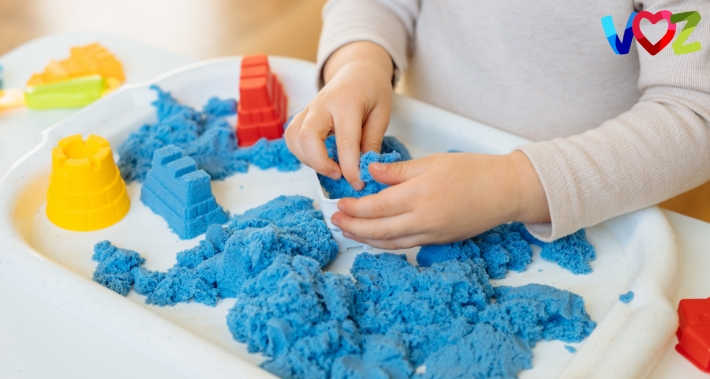
Thus, you may notice that your child craves sensory interactions and actively seeks them out.
Children with sensory hyposensitivity may also display a range of additional signs, including:
- Hyperactivity
- A high pain tolerance
- Bumping into walls, furniture, or other people as they walk
- Not being able to keep their hands to themselves
- Putting objects into their mouths
- Wanting to give and receive frequent hugs
- Rocking or swaying
What Causes Sensory Processing Disorder?
Researchers and medical professionals still have a lot to learn about sensory processing disorder.
For instance, there’s a fair amount of uncertainty surrounding the exact cause(s) of this condition.
It’s possible that there’s a connection between sensory processing disorder and the brain processes that are responsible for information organization.
Sensory processing disorder is a common experience amongst autistic children.
According to a 2023 study by Patil and Kaple, approximately 80% of autistic individuals also have sensory processing disorder.
Likewise, a 2010 study by Ahmad Ghanizadeh states that sensory processing disorder is more common in children with ADHD.
RELATED ARTICLE: What Are The Hallmark Early Signs Of Autism?
RELATED ARTICLE: How Can ADHD Affect Speech and Language Development?
Other common coexisting conditions include:
- Schizophrenia
- Sleep disorders
- Developmental delays
- Traumatic brain injuries
Furthermore, experts are unsure whether sensory processing disorder can develop as a sole diagnosis or if it’s always a byproduct of another condition.
Several risk factors may also increase your child’s risk of developing sensory processing disorder, including:
- Premature birth
- Low birth weight
- Chronic parental stress during pregnancy
- Alcohol or drug misuse during pregnancy
- Exposure to certain environmental pollutants
- Lack of sensory stimuli during infancy
How To Help Your Child Deal With Sensory Processing Disorder
There’s plenty of ways you can help support your child with sensory processing disorder.
For instance, children who experience sensory hypersensitivity can greatly benefit from simple environmental changes that can help limit their overstimulation.
For instance, you might consider changing harsh lights around your house with softer, dimmable lights.
Or you can help your child explore different clothing options that help decrease sensory stimulation, including looser clothing or seamless socks.
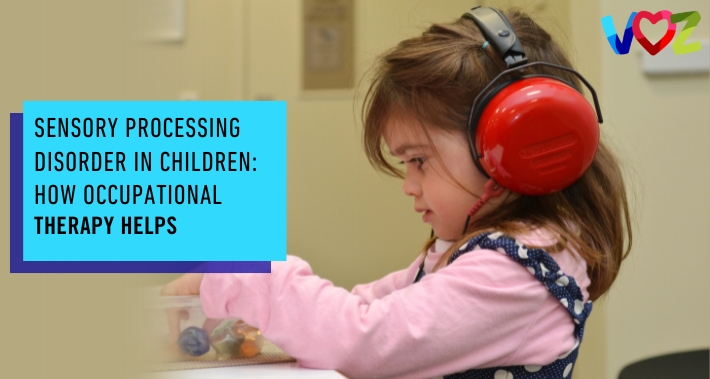
Simple tools such as earmuffs or noise cancelling headphones can also make a world of a difference.
Conversely, children with sensory hyposensitivity will benefit from increased sensory stimulation.
For instance, investing in a backyard playground can provide your child with a safe space to explore different sensory experiences.
Other examples include introducing massages, switching to a vibrating toothbrush, or providing foods with different textures (like crunchy or chewy).
Ultimately, parents and caregivers of children with sensory processing disorder can help their children by remembering the three “R”:
- Recognize that your child’s behavioral challenges are a reaction to overstimulation
- Rechannel your child’s negative reactions and help them manage their emotions
- Reward the behaviors your want to see
How Can A Pediatric OT Help With Sensory Processing Disorder?
At The Voz Institute, our pediatric occupational therapists can provide many different types of supports for children with sensory processing disorder.
The first step is booking your child for a pediatric therapy evaluation.
During this initial appointment, your child’s therapist will assess your child to better understand their specific needs.
From there, we’ll get to work putting together an intervention plan that uniquely reflects your child.
Depending on your child’s needs, there’s several different strategies we might utilize.
For instance, occupational therapists often use a “brushing” technique for children who react negatively to “normal” touch, such as the ways their clothing rubs against their skin.
Brushing techniques include using a soft bristled brush to apply deep pressure, in addition to joint compressions.
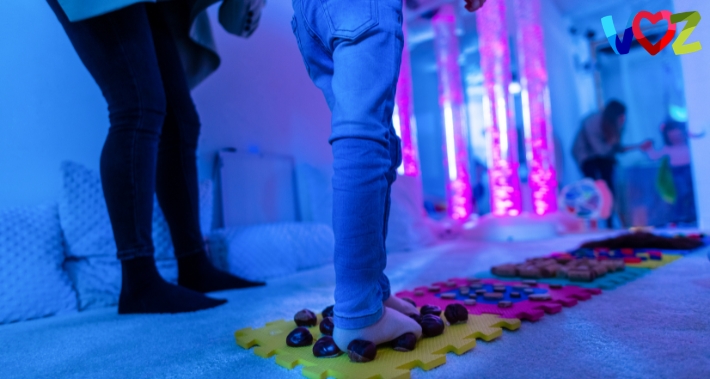
Occupational therapists also commonly utilize “sensory gyms”, which are rooms full of specialized equipment that help children address their sensory needs.
RELATED ARTICLE: Fine Motor Skills In Children: Milestones, Delays, And Occupational Therapy
Book Your Appointment With The Voz Institute Today
Supporting a child with sensory processing differences can feel overwhelming, especially when their reactions seem intense or unpredictable.
With the right understanding and strategies, you can help your child feel more comfortable, regulated, and confident in their daily environment.
Pediatric occupational therapy plays a key role in identifying your child’s unique sensory profile and creating personalized approaches to manage both hypersensitivity and hyposensitivity.
Through targeted interventions and practical tools, children can learn to better process sensory input and participate more fully at home, school, and in the community.
Early support can make a meaningful difference in your child’s emotional regulation and overall quality of life.
Book your appointment with The Voz Institute today and take the next step in supporting your child’s sensory development.
1100 H St NW Ste 940,
Washington, DC 20005
(202) 734-4884
- https://g.page/vozspeechtherapy
The Voz Institute is a bilingual speech therapy and pediatric occupational therapy clinic in Washington, DC that provides individualized services based on the specific needs of you or your child. Therapy sessions are provided in English or Spanish, depending on your or your child’s native language.
1100 H St NW Ste 940,
Washington, DC 20005
(202) 734-4884
- https://g.page/vozspeechtherapy
El Instituto Voz es una clínica bilingüe de terapia del habla y terapia ocupacional pediátrica en Washington, DC, que ofrece servicios individualizados según las necesidades específicas tuyas o de tu hijo. Las sesiones de terapia se ofrecen en inglés o español, dependiendo del idioma nativo tuyo o de tu hijo.