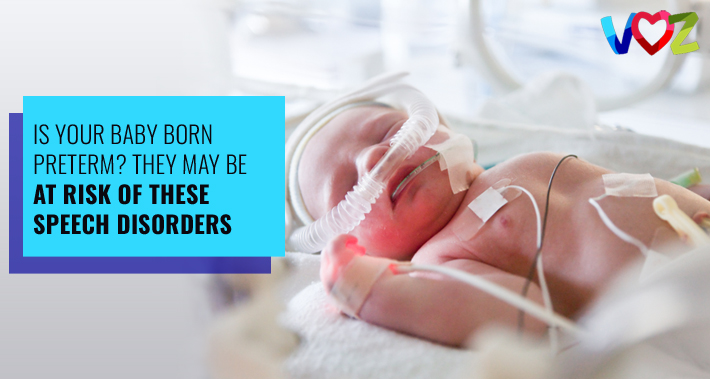
Welcoming a new baby to your family can be very exciting.
From first words to first steps, most parents hope their baby will grow and develop alongside other children their age.
When milestones don’t happen at the pace you expect, it’s natural to feel concerned.
As new parents, it’s important to know that many factors can influence an infant’s growth and development.
Babies born prematurely, in particular, face a higher risk of health and developmental challenges.
For example, many preterm babies experience differences in speech and language development, as well as delays that can affect learning, motor skills, and communication.
While every child develops at their own pace, understanding what is typical, and knowing when additional support may be helpful can ease some of that uncertainty.
Fortunately, there are effective ways to identify concerns early and support your child’s development.
Early intervention services, including pediatric speech therapy and occupational therapy, can play an important role in addressing developmental differences and helping children build foundational skills.
In this article, we’ll explore what preterm birth is, the developmental challenges preterm babies may face, and the early signs of speech or language disorders to watch for.
We’ll also look at how early intervention can support your child’s communication and overall development before concerns become more significant.
What Is A Preterm Birth?
Preterm birth includes any birth that occurs before the 37th week of pregnancy.
In 2020, the World Health Organization estimated that approximately 13.4 million preterm births occurred that year.
This accounts for between 4% and 16% of total births per year.
Furthermore, complications related to preterm birth are the principal cause of death in children under the age of five.
According to Johns Hopkins Bloomberg School of Public Health, preterm birth is the primary cause of death for 18% of deaths in children younger than 5.
Not all preterm births are the same.
Experts classify preterm births into one of three categories:
- Extremely preterm (born before 28 weeks)
- Very preterm (born at 28 to 32 weeks)
- Moderate to late preterm (32 to 37 weeks)
The prognosis for preterm babies heavily depends on this classification.
According to University of Utah Health, survival rates for a 24-week gestation preterm baby is 60% to 70%.
As well, 28-week gestation provides babies with an 80% to 90% survival rate.
Sometimes preterm births are spontaneous, meaning they occur without an obvious cause.
In other cases, doctors medically induce labor early or plan a cesarian section out of medical necessity.
Let’s take a look at some of the factors that can contribute to preterm birth.
What Causes A Baby To Be Born Preterm?
There are a variety of reasons a baby may be born preterm.
Some of these include complications in pregnancy, which lead to a need for early induction of labor.
Cases of multiple births, like twins or triplets, can also be a cause of preterm birth.
Other reasons or risk factors for preterm births can include:
- Having had previous babies born preterm
- Chronic stress
- Hypertension
- Exposure to environmental pollutants
- Having six months or less between giving birth and becoming pregnant again
- Diabetes, or gestational diabetes
- Infections, including sexually transmitted infections and urinary tract infections
- Developmental abnormalities in the unborn baby
- Lifestyle factors such as smoking, or drug use
- Being either overweight, or underweight before becoming pregnant
- Being under 18 years or over 35 years of age when you give birth
In most cases, however, preterm births are spontaneous.
What Health Concerns Do Preterm Babies Face?
Preterm babies are at higher risk for a number of health conditions, including different impairments and disabilities.
Differences with brain development can result in delays that impact your child’s:
- Learning
- Communication
- Social skills
- Physical development
- Self care skills
RELATED ARTICLE: Looking At Social Communication Disorder
Other diagnoses common among preterm babies include:
- Asthma
- Anxiety and depression
- Hearing loss, which can affect language development
- Neurological disorders, for which speech therapy can help
- Vision challenges
- Cerebral palsy, which can affect speech as well as motor skills
- Higher rates of infection, like chronic ear infections
- Bronchopulmonary dysplasia
- Behavioral challenges
- Dental challenges
RELATED ARTICLE: What’s The Connection Between Speech Therapy And Mental Health?
Signs Your Preterm Child Has A Speech or Language Disorder
If you’re the parent of a preterm baby, you probably have concerns about what this means for their long-term health and development.
Unfortunately, preterm babies are at a higher risk for developing many different types of disorders, including speech and language disorders.
In this section, we’ll review some of the signs to watch for which might indicate your preterm baby may have one of these disorders.
1. They’re Not Developing At Expected Pace
There are certain speech development milestone markers which, if not met, can indicate a speech or language disorder.
From birth to approximately fourteen months of age, babies will mostly communicate in nonverbal methods, such as crying.
Around four months of age they may start babbling, although you can add a month or two to this for preterm babies.
Most children will speak their first word between fourteen and twenty months.
If it takes longer than this, it could be a sign of a speech disorder.
Around the age of two, most children will be able to say simple sentences consisting of a couple of words.
If they aren’t meeting these milestones, consider having them evaluated for speech and language delays.
RELATED ARTICLE: How To Recognize Speech Or Language Developmental Delays In Children
2. They Have A Small Vocabulary
Once your child reaches about two years of age, you can expect them to have a vocabulary of fifty to seventy words.
At this age, most children are also able to begin forming basic two- and three-word sentences.
It’s a good idea to have children who aren’t meeting these markers evaluated for speech delays.
3. They’re Hard To Understand
Sometimes your child may mumble or mispronounce words.
This can be frustrating, especially when they are finally learning to speak.
As a parent or caregiver, you want to be able to understand and communicate with them.
When they are trying to communicate, make an attempt to determine what they want, and then say the word correctly while staying positive.
Try not to let your child sense if you’re feeling frustration or anger at not being able to understand them.
If this happens, they may stop trying to communicate altogether.
Speech therapy coaching for parents is a good way to help you manage your emotions and responses to your child when they face communication challenges.
It can empower you to support your child without letting your emotions get in the way.
In turn, this will encourage more communication from your child.
RELATED ARTICLE: Encouraging Your Child As They Learn To Read
4. They Aren’t Very Responsive To Sound
Babies and children generally respond to their environments.
Even while still in utero, babies can hear and recognize their birthing parent’s voice as early as the third trimester.
Once born, they will start recognizing other voices as soon as 1 week old.
By 2 to 4 months of age, most babies start to respond to the sound of their caregivers voices.
At 5 months, they may start turning towards the source of sound.
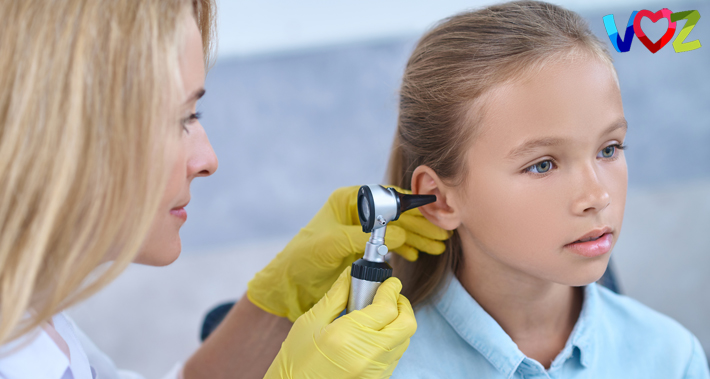
If they aren’t doing this, it could be a sign of hearing loss.
This could be due to something as simple as a buildup of earwax.
However, if you find this isn’t the case, then you may want to consider bringing your child in for a hearing test.
After all, a baby who can’t hear the world around them is going to have a hard time learning words and practicing speech.
When Should You Bring Your Child To A Speech Therapist?
When it comes to speech therapy for kids, early childhood intervention therapy is always the best option.
This is because the earlier you have your child screened for speech or language disorders, the sooner they can get treatment for them.
Early intervention is always more effective than waiting until later.
So, if your child was born prematurely, you may want to look into speech therapy for them as they age.
How Can A Pediatric OT Help Children Who Were Born Prematurely?
If your baby is born particularly premature, they may spend some time in the NICU.
That stands for neonatal intensive care unit.
This helps increase their chances for survival, but it’s also a stressful experience for a baby.
There are lots of bright lights and sounds, and they don’t get the chance to be close to their parents.
Your hospital will likely provide you with an occupational therapist at this point to help them through this process.
But it doesn’t stop there.
Premature babies often display differences in their motor skills development as well.
This is particularly true for fine motor skills.
If your child isn’t meeting their developmental milestones in their fine motor skills, occupational therapy can help.
A pediatric occupational therapist will evaluate your child’s fine motor skills.
From there, they will put together a treatment plan designed to address your child’s unique challenges.
Combined with speech therapy or on its own, occupational therapy is a great option to help premature children thrive.
Book Your Appointment With The Voz Institute Today
Having a baby born prematurely can bring understandable worries about their growth, communication, and long-term development.
While preterm babies face a higher risk of speech, language, and motor challenges, early support can make a meaningful difference in how they learn and communicate.
Pediatric speech therapy and occupational therapy work together to address developmental delays, strengthen foundational skills, and support your child’s progress at every stage.
The earlier concerns are identified, the more effective intervention can be in supporting healthy development.
At The Voz Institute, our experienced team is dedicated to helping preterm children build strong communication and developmental skills through personalized care.
Serving clients in Washington DC and the surrounding area, consider making us part of your healthcare team.
Book your appointment with The Voz Institute today and take the next step toward supporting your child’s growth and confidence.
1100 H St NW Ste 940,
Washington, DC 20005
(202) 734-4884
- https://g.page/vozspeechtherapy
The Voz Institute is a bilingual speech therapy and pediatric occupational therapy clinic in Washington, DC that provides individualized services based on the specific needs of you or your child. Therapy sessions are provided in English or Spanish, depending on your or your child’s native language.
1100 H St NW Ste 940,
Washington, DC 20005
(202) 734-4884
- https://g.page/vozspeechtherapy
El Instituto Voz es una clínica bilingüe de terapia del habla y terapia ocupacional pediátrica en Washington, DC, que ofrece servicios individualizados según las necesidades específicas tuyas o de tu hijo. Las sesiones de terapia se ofrecen en inglés o español, dependiendo del idioma nativo tuyo o de tu hijo.